
2026 Ten Top Smaller HBCUs That Are Rising

Founded in or before 1964, Historically Black Colleges and Universities (HBCUs) were established after the Civil War, during a time when southern states enforced segregation in education. These institutions created opportunities for formerly enslaved African Americans to pursue a quality education.
For more than 150 years, HBCUs have nurtured and sustained academic excellence, particularly for low-income, first generation, and academically underrepresented students. They remain committed to building confidence and transforming students into educated, empowered individuals.
According to UNCF‘s 6 Reasons HBCUs Are More Important Than Ever (2015), the nation’s 107 HBCUs represent just 3 percent of U.S. Colleges and Universities, yet they produce 20 percent of all African American graduates and 25 percent of African American graduates in STEM fields—science, technology, engineering, and mathematics—critical industries for the future. Additionally, tuition at HBCUs is, on average, nearly 20 percent lower than at comparable institutions.
Smaller HBCUs are often among the most affordable, with enrollment under 2,000 students and annual tuition below $15,000. These institutions emphasize a student-centered approach, focusing on individual academic success while fostering strong preparation and providing high-quality educational opportunities for diverse populations.
The following list produced by the Division of Research, Innovation, Entrepreneurship, and Sponsored Programs of the HBCU Campaign Fund (HCF) highlights ten small public and private HBCUs that are emerging as leaders in delivering affordable, high-quality education.
Claflin University (Orangeburg, SC)
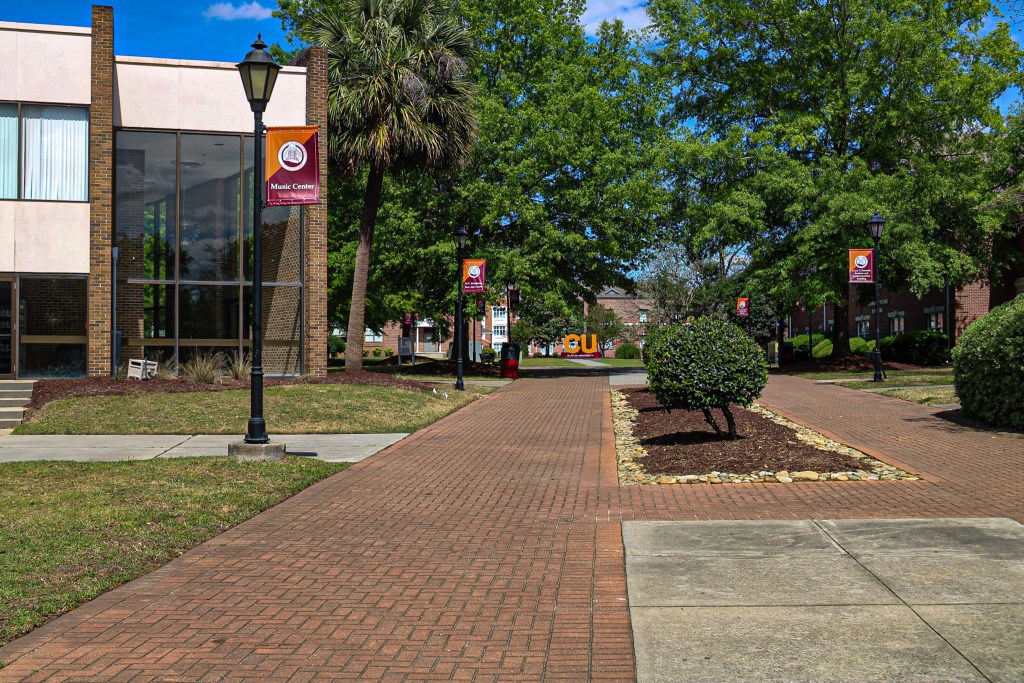
Founded in 1869 by the Methodist missionaries in Orangeburg, S.C., Claflin University is South Carolina’s oldest historically Black college or university (HBCU). In 2025, U.S. News and World Report placed Claflin University in its Best HBCUs ranking for the 15th consecutive year, ranking Claflin No. 1 HBCU in South Carolina and No. 5 among all colleges in the state. Claflin was also recognized as the 7th Best Regional Liberal Arts College in the South and a Top Performer on Social Mobility.
Claflin University delivers affordable, high-quality education through its strong commitment on student success and personalized learning. With smaller class sizes, students receive individualized attention from faculty, which supports academic growth and retention. The university emphasizes leadership development and career readiness, ensuring graduates are prepared for the workforce while maintaining tuition rates that are lower than many private institutions.
For more information about Claflin University, visit
Huston-Tillotson University (Austin, TX)
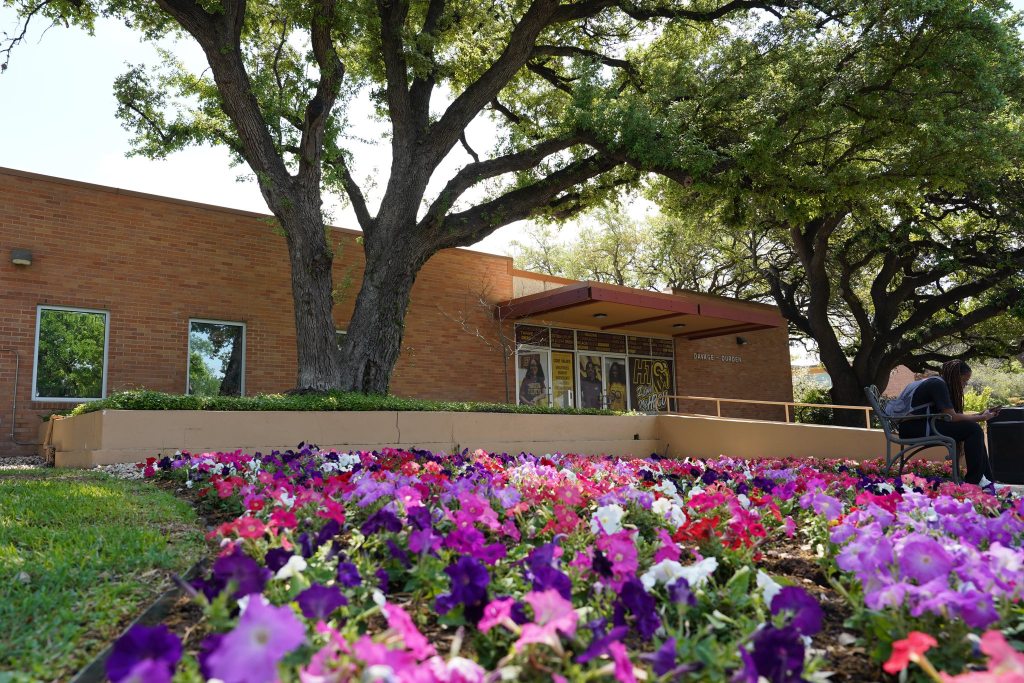
Huston-Tillotson University is a historically Black university (HBCU) founded in 1875 (as Tillotson) and 1876 (as Samuel Huston) before merging in 1952. As Austin’s oldest institution of higher learning, it serves a diverse population, offering degrees on the historic Bluebonnet hill.
Huston-Tillotson University offers an affordable education with a focus on career readiness and innovation. Its small class sizes and diverse academic programs allow students to receive individualized support while preparing the workforce. The university continues to expand opportunities in business, technology, and the arts, increasing its overall value.
For more information about HTU, visit www.htu.edu.
Dillard University (New Orleans, LA)
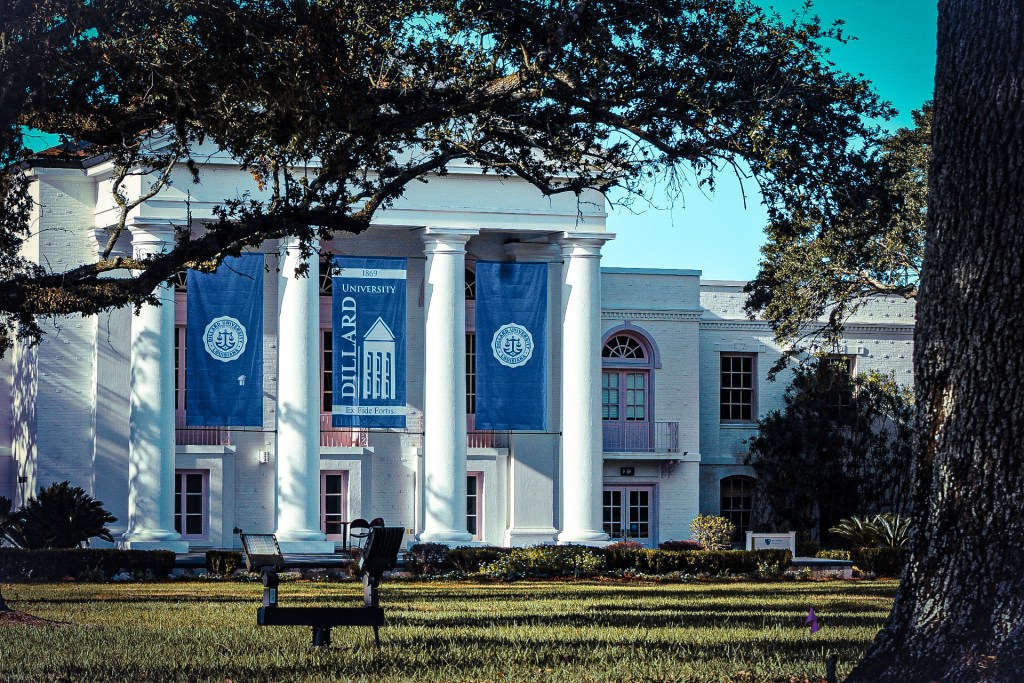
Dillard University, a prestigious, private historically Black university (HBCU) in New Orleans, established in 1935 through the merger of Straight College (1869) and New Orleans University (1873). As Louisiana’s oldest HBCU, it was founded to educate enslaved African Americans. It was named after James Hardy Dillard, a champion of Black education.
Dillard University combines a rigorous liberal arts curriculum with affordability, making it a strong option for students seeking quality education at a reasonable cost. Its emphasis on health sciences and pre-professional programs allows students to pursue high-demand careers. The university’s supportive campus environment and relatively small enrollment foster close relationships between students and faculty, enhancing academic success.
For more information about Dillard University, visit www.dillard.edu.
Fisk University (Nashville, TN)

Founded in 1866, Fisk University was established to provide liberal arts education to newly freed slaves, quickly becoming a beacon of academic excellence. Originally the Fisk Free Colored School, it was founded by John Ogden, Erastus Milo Cravath, and Edward P. Smith, and named for General Clinton B. Fisk.
Fisk University is known for its academic rigor and selective admissions, which contribute to a high-quality educational experience. Despite its strong reputation, the university remains relatively affordable compared to similar private institutions. Students benefit from a challenging curriculum, strong faculty mentorship, and opportunities for research and graduate school preparation.
For more information about Fisk University, visit www.fisk.edu.
Bennett College (Greensboro, NC)

Founded in 1873 in a church basement in Greensboro, NC to educate newly emancipated slaves, Bennett College is a historically Black liberal arts college for women. Originally co-ed, it reorganized as an all-women’s college in 1926, affiliated with the United Methodist Church, and has played a key role in empowering Black women leaders.
Bennett College provides a high-quality education by focusing on the academic and personal development of women. Its small campus size allows for personalized instruction and strong support systems that help improve graduation rates. The college maintains affordability while prioritizing leadership, empowerment, and student engagement, creating a well-rounded educational experience.
For more information about Bennett College, visit www.bennett.edu.
Voorhees University (Denmark, SC)
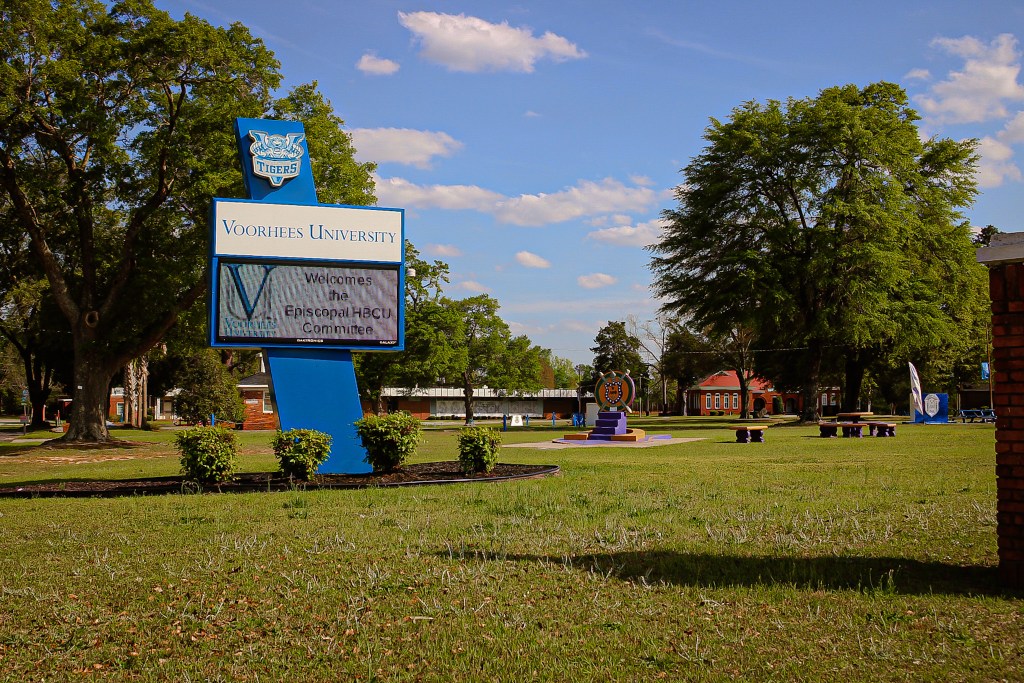
Voorhees University is a private, historically Black university (HBCU), founded in 1897 by Elizabeth Evelyn Wright. Originally the Denmark Industrial School, it was modeled after the Tuskegee Institute, focusing on agricultural and industrial training. It became a four-year college in 1962 and transitioned to a university in 2022.
Voorhees University has made significant improvements in delivering affordable education while strengthening its academic programs. The university focuses on individualized student support, helping students overcome academic challenges and succeed. Its lower tuition costs, combined with recent institutional investments, make it an increasingly strong option for students seeking value and quality.
For more information about Voorhees University, visit www.voorhees.edu.
Elizabeth City State University (Elizabeth City, NC)

Founded in 1891 by North Carolina Representative Hugh Cale, Elizabeth City State University (ECSU) began as Elizabeth City State Colored Normal School to train African American teachers. It evolved from a two-year to a four-year teacher’s college in 1937 and became a university in 1969. Today, ECSU is a public, historically Black university (HBCU) offering diverse, top-tier programs in aviation and pharmacy. It currently has the largest enrolled aviation program of all HBCUs.
Elizabeth City State University stands out for offering one of the most affordable tuition rates among HBCUs while maintaining strong academic programs, particularly in STEM and aviation. The university provides hands-on learning opportunities and career-focused education, ensuring students gain practical skills. Its affordability, combined with quality instruction, makes its a valuable option for students. It has received almost $60M from Mckenzie Scott as a leader amongst the HBCUs.
For more information about ECSU, visit www.ecsu.edu.
Talladega College (Talladega, AL)
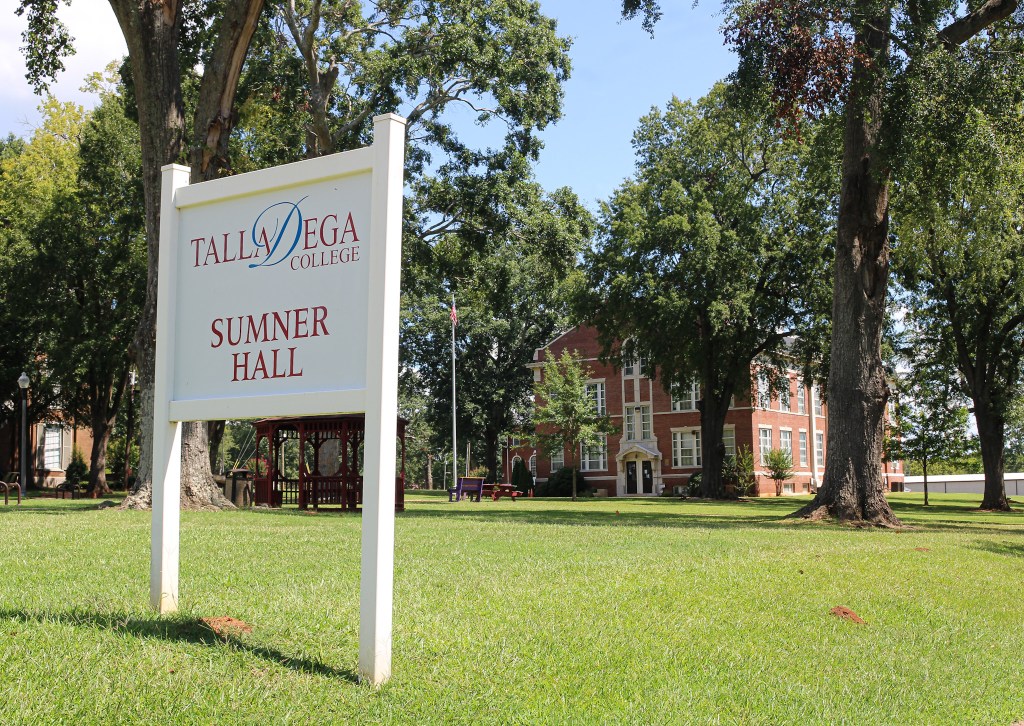
Talladega College, Alabama’s first private historically Black college (HBCU) founded in 1867, was established by formerly enslaved men, William Savery and Thomas Tarrant, to educate the children of freedmen. It originated from a one-room schoolhouse and grew to occupy a building they previously built as slaves, fostering a legacy of resilience, empowerment, and academic excellence.
Talladega College delivers high-quality education through its strong liberal arts foundation and growing institutional investment. The college maintains relatively low tuition while enhancing campus resources and academic offerings. Its small size allows for a supportive learning environment where students receive personalized attention and guidance.
For more information about Talladega College, visit www.talladega.edu.
Morris College (Sumter, SC)
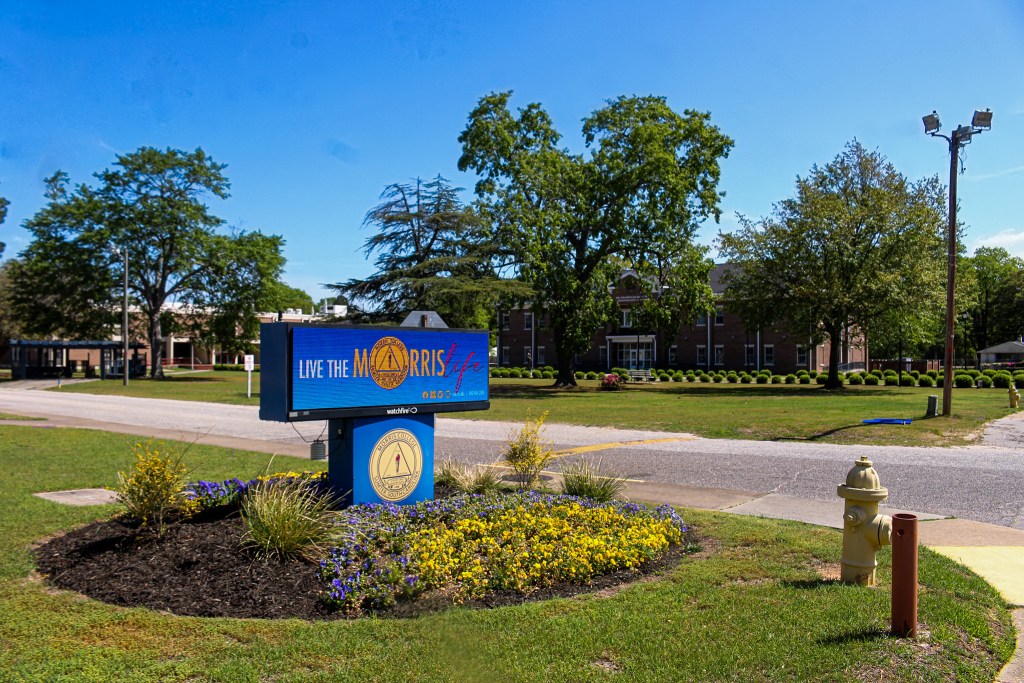
Morris College is a private, historically Black liberal arts college, founded in 1908 by the Baptist Educational and Missionary Convention of South Carolina to provide education for Black youth. It evolved from a grade/high school to a four-year institution, achieving full accreditation in 1978.
Morris College provides an intimate learning environment with very small enrollment, allowing for close faculty-student interaction. Its affordability is a key strength, as tuition is lower than many private colleges. The college emphasizes foundational academic skills and student development, helping students build a strong base for future success.
For more information about Morris College, visit www.morris.edu.
Shorter College (North Little Rock, AR)
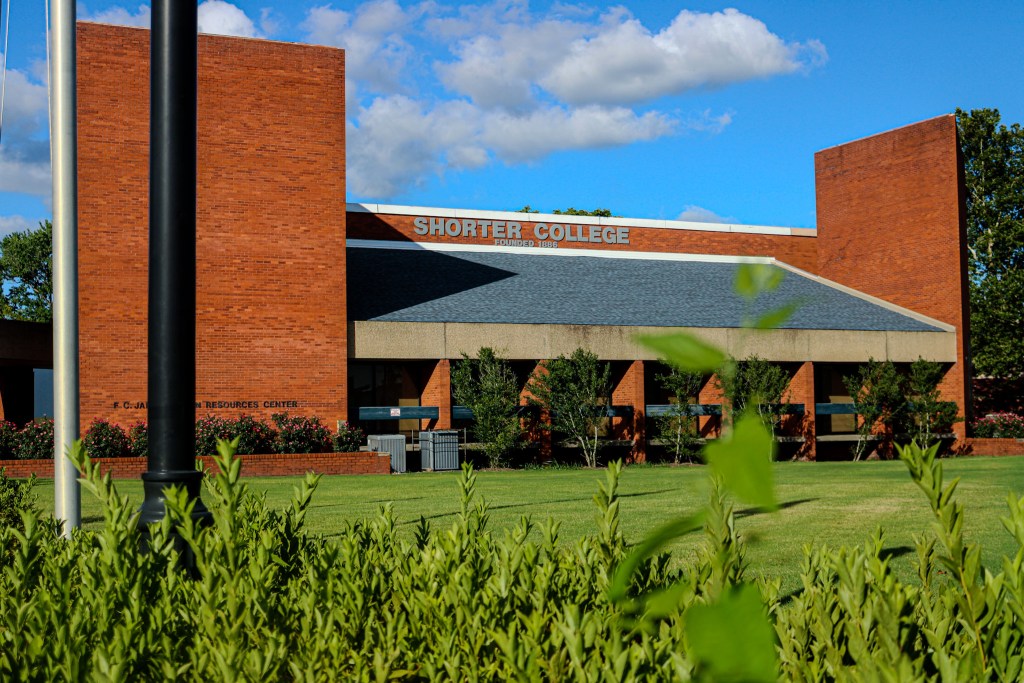
Founded in 1886 by the African Methodist Episcopal (AME) Church in Little Rock, Arkansas, Shorter College was established to provide education for formerly enslaved people. Originally named Bethel University and later moving to North Little Rock, it became a private, two-year, historically Black college (HBCU) focused on affordable, faith-based education.
Shorter College is considered rising because it offers extremely low tuition, small class sizes, and a tight-knit campus community that fosters individualized support and mentorship. Its programs emphasize student engagement and retention, helping graduates succeed academically while keeping debt low. The school’s focus on accessible, high-quality education has increased its visibility as a practical, affordable HBCC/HBCU.
For more information for Shorter College, visit www.shortercollege.edu.
About
The Division of Research, Innovation, Entrepreneurship, and Sponsored Programs at the HBCU Campaign Fund (HCF) focuses on supporting, promoting, and advancing research capabilities, innovative initiatives, and entrepreneurial ecosystems at Historically Black Colleges and Universities (HBCUs) and Historically Black Community Colleges (HBCCs)
This division helps strengthen the capacity of these institutions by fostering partnerships, promoting economic development, and encouraging workforce training.